Ask two stove fitters the same question about a chimney liner and you may well get two different answers. Neither is being awkward. Whether a liner is needed depends on what is already inside the chimney, what you plan to burn, and what the Building Regulations say about the appliance you are fitting. Here is how to work out where your house sits.
When a chimney liner is genuinely required
Start with the appliance. A new solid fuel appliance — a wood-burning stove, a multi-fuel stove, a range cooker or an open fire — needs a flue that is the right size, gas-tight, and able to withstand both heat and the corrosive products of combustion. Where an existing chimney cannot be shown to meet that standard, lining it is the usual answer. In practice, that covers most installations in older UK homes, because Victorian and Edwardian chimneys were built for open coal fires and their brick flues were often just parged with mortar, which cracks and falls away over decades.
There are situations where a liner is needed almost regardless of the age of the house:
- Switching fuel. A flue that served a gas fire or a gas back boiler is not automatically suitable for wood or coal.
- A leaking flue. Cracks, missing parging or a failed clay liner can let smoke and carbon monoxide into bedrooms, lofts and neighbouring rooms.
- Chimneys on external walls. Cold flues draw poorly and suffer more condensation, so an insulated liner is usually specified.
- A shared or passing chimney that runs through another part of the house, where any breach is a genuine risk.
Sometimes you may not need one. If the chimney already has sound clay liners of the right diameter, no visible cracks, and a smoke test confirms it is airtight, an installer may be happy to use it as it stands. That is a judgement for someone who has actually looked at it — ideally with a camera survey rather than a glance up the flue from the fireplace.
The main types of liner
Flexible stainless steel
The workhorse of chimney lining in the UK. A corrugated or spiralled stainless tube is pulled down from the chimney pot and connected to the stove through a register plate. Single-skin liners suit internal chimneys in reasonable condition; twin-wall insulated liners are used where the chimney is on an outside wall or exposed to the weather. Grade matters as much as type: 316L is common for wood, while 904-grade is generally specified for coal and oil. Diameter must match the appliance.
Rigid sectional liners
Straight, accessible chimneys, larger open-fire flues and some oil appliances. Robust and easy to sweep, but they only work on a straight run.
Cast-in-situ and pumped liners
A former is lowered into the flue and a refractory mix is poured or pumped around it, creating a seamless, insulated flue with no joints. Good for irregular or battered old chimneys, and often the practical choice in listed buildings. It needs specialist equipment, and the mix has to cure before the appliance goes in.
Pre-cast pumice or clay systems
Interlocking blocks used when a chimney is being rebuilt or in new builds. Heavy, expensive, and extremely long-lasting.
Matching the liner to the fire
Too wide and the flue runs cold, so smoke spills into the room. Too narrow and you get a sluggish fire that struggles to stay in. As a rough guide, a wood-burning stove usually wants a 5-inch (125mm) or 6-inch (150mm) flue depending on its output, while open fires need considerably more. Chimney height, the number of bends, and whether anything else shares the flue all change the calculation. The manufacturer's instructions for your appliance and the installer's judgement matter more than any general rule, and this is a safety question as much as a performance one — take professional advice rather than guessing.
Gas and oil are different again
Gas appliances have their own liner standards, and flexible gas liners are typically smaller and rated differently from solid fuel ones. Plenty of gas fires fitted in the 1990s had a 5-inch liner that is perfectly adequate for gas but not for wood. Oil appliances, particularly condensing boilers, need a stainless liner that can cope with acidic condensate. A liner fitted for one fuel and reused for another is a common and avoidable mistake.
What a liner costs
Prices swing widely with chimney height, access, scaffolding and region, so treat these as rough ballparks and get at least three written quotes from registered installers.
- Flexible stainless liner in a typical two-storey house, fitted with a cowl and register plate: roughly £1,000 to £2,000.
- Insulated twin-wall liner where the chimney is external or badly exposed: often £1,500 to £2,500.
- Cast-in-situ lining: from around £2,000 upwards, sometimes considerably more.
- A sweep, smoke test and camera survey before work begins: usually under £200.
The stove itself, the hearth, and any work above the roofline are separate items, so ask for a quote that spells out what is and is not included.
Building regulations and paperwork
Chimney and solid fuel work is notifiable. In England and Wales, Approved Document J of the Building Regulations covers flues, hearths, ventilation and carbon monoxide alarms. Scotland has its own guidance in the Technical Handbook, and Northern Ireland uses Technical Booklet L. The principles are similar everywhere: the flue must be suitable and adequately lined, and the room must be properly ventilated.
The simplest route is to use an installer registered under a competent person scheme such as HETAS, who can self-certify the work and issue a compliance certificate. Otherwise you need to notify building control before work starts. Keep that certificate — you will be asked for it if you sell the house, and by insurers after a chimney fire.
Other things worth checking before you commit:
- A carbon monoxide alarm in the same room as any solid fuel appliance.
- Permanent ventilation — stoves and open fires need an air supply, often a wall vent.
- Correct clearances from combustible materials, and a hearth of the right size and thickness.
- If you are in a smoke control area, the appliance must be DEFRA-exempt and you should burn authorised fuel or well-seasoned wood.
- Listed buildings and conservation areas carry extra rules — speak to the local planning authority before altering a chimney.
Before you book anything
Get the chimney swept and inspected first, so any problems are found before the quote is finalised. Ask whether the installer will carry out a smoke test and a camera survey, and whether the liner they are proposing is insulated. Ask what happens at the top — a pot, a cowl, a properly fixed and sealed termination — because that is where many installations quietly fail. Check the proposed flue diameter against the manufacturer's instructions for your appliance, and confirm who is responsible for making good the fireplace opening afterwards.
Then keep the paperwork together: the installer's certificate, the appliance manual, and the sweep's record. A good liner is the part of the job you will never see, quietly doing the work that keeps smoke out of the room and carbon monoxide out of the house. An hour spent getting the details right now saves a great deal of expensive guesswork later.
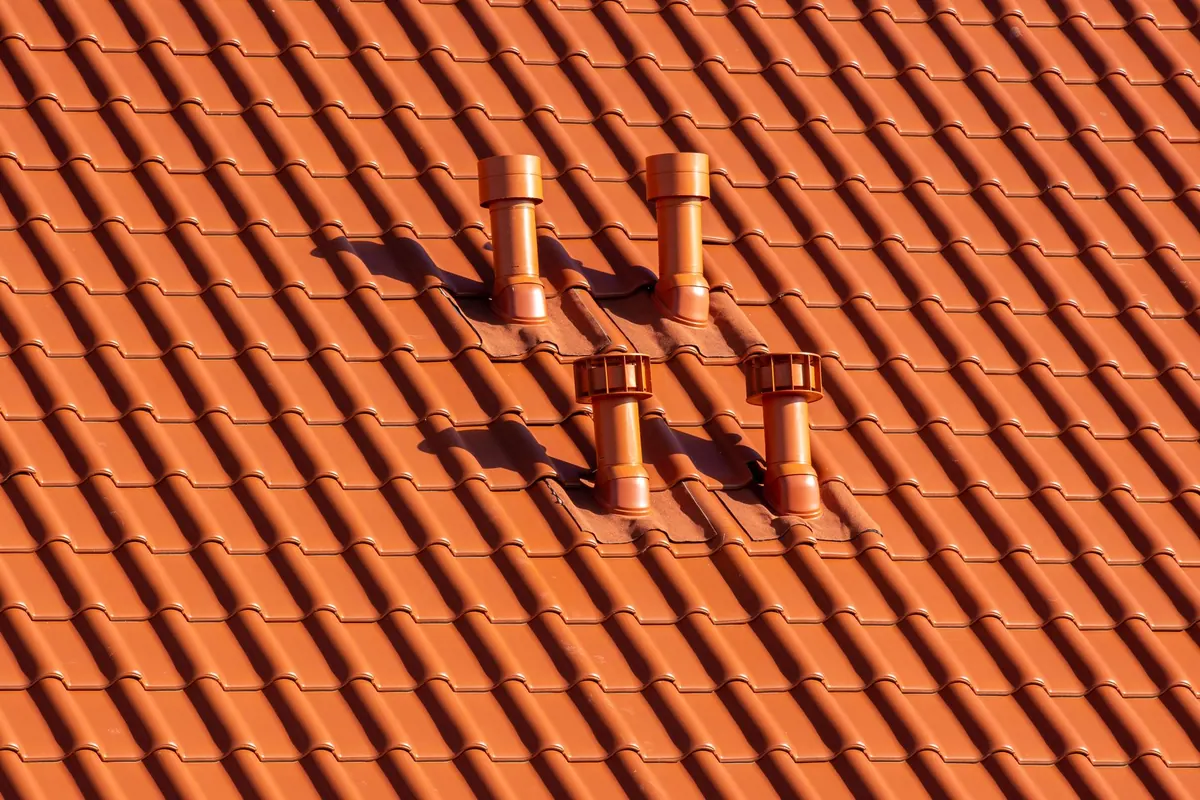
Photo: Jan van der Wolf / Pexels