A fire is more than a heating appliance. It’s the reason people gather in a room on a wet Sunday, the reason a chair gets pulled closer. But when you’re choosing between an open fire and a wood burning stove, sentiment only takes you so far. The two look similar from the sofa, yet they behave very differently when it comes to heat, fuel, smoke and paperwork.
How They Work — and Why It Matters
An open fire burns in a grate, usually inside a chimney breast, with air drawn from the room. It gives off radiant heat in a wide arc. The problem is that much of the heat, and most of the smoke, disappears up the chimney. You feel warm when you’re close, but the room as a whole may stay cool.
A wood burning stove is a closed metal box with a glass door. You control the air supply, so the fire burns hotter and more completely. The stove body, and often the flue, release heat into the room. That single difference — controlled combustion versus an open grate — affects everything else.
Efficiency: Where the Heat Actually Goes
Open fires are notoriously inefficient. A lot of the energy in each log is wasted as hot gases head outside. They can still be enjoyable, especially in a room you don’t need to heat seriously, but they are poor at warming a whole house.
A stove is much better at turning fuel into usable heat. Because the fire is enclosed, you can run it at a higher temperature, and the metal surfaces radiate and convect warmth into the room. If you use a stove regularly, it can become a genuine heat source rather than a decorative one.
- An open fire suits occasional use, mild evenings and atmosphere.
- A stove suits daily use, colder rooms and homes where you want a real contribution to heating.
- Neither should replace a properly designed central heating system without professional advice.
Emissions and Air Quality
Smoke is the visible sign of incomplete combustion. Open fires tend to produce more of it because the fire burns cooler and less controllably. That means more particulates, which are bad for local air quality and can be a nuisance to neighbours.
Stoves can be cleaner, but only if they are used well. A modern Ecodesign stove, dry seasoned wood and a bright, hot fire will produce far less smoke than a smouldering pile of damp logs. Burning rubbish, treated wood or wet wood undoes the benefit and can damage your flue.
If you live in a smoke control area, you must burn authorised fuels or use an exempt appliance. Many stoves are exempt, but not all. Check with your local council before you buy, and ask the installer to confirm the appliance is suitable for your area. Rules differ across the UK, so don’t assume a stove that is legal in one region is legal in another.
Good wood burning is about heat, not smoke. If you can see thick smoke, you are losing money and creating pollution.
Running Costs: Fuel, Sweeping and Maintenance
A stove usually uses less wood to produce the same amount of room heat, simply because less energy escapes up the chimney. Over a winter of regular use, that can mean fewer logs and fewer deliveries. An open fire can burn through fuel quickly, especially if it is trying to heat a large, draughty room.
But the full picture includes installation, not just fuel. Fitting a stove often involves a flue liner, a new register plate, a hearth and ventilation. If you already have an open fire and a sound chimney, the change may be simpler, but it is rarely just a case of dropping a stove into the gap. You should also budget for an annual chimney sweep, and for repairs or maintenance as the flue ages.
Wood quality matters for both. Kiln-dried or well-seasoned logs with a moisture content below about 20 per cent burn hotter and produce less tar. Wet wood is a false economy: it takes energy to dry in the fire, creates more smoke and leaves more creosote in the chimney. Store logs under cover with air moving around them, and bring only a day or two’s worth inside at a time.
For specific running-cost estimates, speak to a HETAS registered installer or chimney sweep who knows your property, fuel supply and heating habits. They can judge your chimney and room better than any general guide.
Installation Requirements and Regulations
Both options need a safe route for smoke and a fireproof base. The details differ.
Open fire
An open fire needs a suitable chimney, a hearth that meets building regulations, and enough ventilation in the room. If the chimney is in poor condition or the draught is unreliable, smoke can spill into the room. A smoky open fire is not just unpleasant; it can be a sign that the flue needs attention.
Wood burning stove
A stove needs a flue, correct clearances from combustible materials, a compliant hearth, and often a dedicated air supply. In many UK homes, the flue is a stainless steel liner inside the existing chimney. Building regulations apply, and in smoke control areas the appliance must be exempt or used with authorised fuel. A HETAS registered installer can confirm what your home needs and sign off the work.
- Check the chimney’s condition and draught.
- Measure the hearth and clearances.
- Confirm ventilation and air supply.
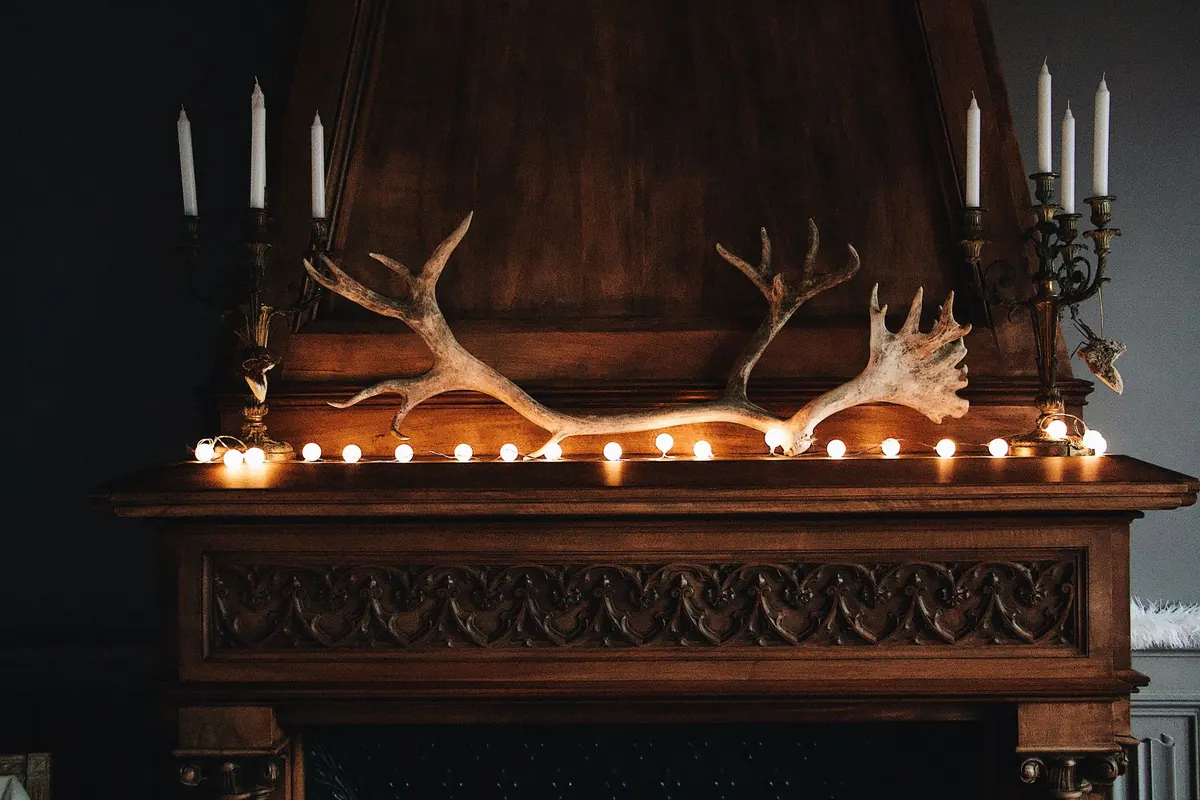
Photo: AberrantRealities / Pixabay